Occupational Health & Safety Framework
Every worker has the fundamental right to a safe, healthy work environment per ILO Convention 155 and regional OSH regulations. A compliant safety culture demands universal adherence to hierarchy of controls—elimination, substitution, engineering, administrative, and PPE as last-line defense—achieving ALARP (As Low As Reasonably Practicable) risk levels through constant hazard vigilance.
Personal Protective Equipment (PPE) – Technical Definition
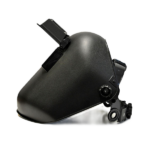
PPE encompasses certified garments, helmets, respirators, and accessories engineered to minimize worker exposure to workplace hazards when higher-level controls prove insufficient. Standards-compliant PPE (EN 420, ANSI/ISEA Z87.1, ISO 45001) provides task-specific protection against identified risks via material science and ergonomic design.
Hazard Categories & PPE Selection Matrix
Hazard Type Examples PPE Requirements Performance Standards
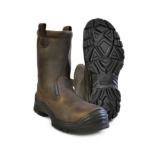
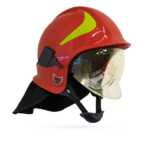
Mechanical Impact, abrasion, cuts, crush Cut-resistant gloves (EN 388 Level C), steel-toe boots (ASTM F2413), hard hats (EN 397) Impact energy absorption >40J; Puncture resistance >100N
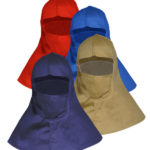
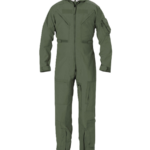
Thermal Heat stress (>38°C WBGT), arc flash, molten metal FR coveralls (NFPA 2112), aluminized proximity suits, insulated gloves (EN 407 Level 4) ATPV >40 cal/cm²; Contact heat >500°C x 15s
Chemical H₂S (>10ppm), drilling muds, solvents Chemical-resistant suits (EN 14605 Type 3), nitrile gloves (EN 374), full-face APR/SCBA Permeation >480min; Breakthrough time >60min
Biological Legionella, bloodborne pathogens Disposable coveralls (EN 13982-1), FFP3 respirators, surgical gowns Bacterial filtration efficiency >98%; APF 50
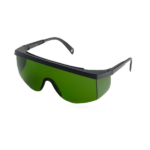
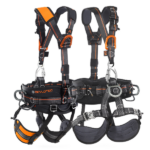
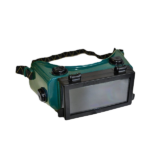
Physical Falling objects, falls >6ft, pinch points Full-body harnesses (ANSI Z359.11), lanyards (energy absorbing), safety spectacles (EN 166 BTK) Arrest force <6kN; Optical clarity Class 1 Ergonomic Repetitive strain, heavy lifting (>25kg) Back support belts, anti-fatigue mats, lifting gloves NIOSH lifting equation compliant; Coefficient of friction >0.5
Ionizing Radiation NORM (<5mSv/yr), X-ray equipment Lead aprons (0.5mm Pb eq), thyroid shields, dosimeters HVL >2.5mm Al; TLD quarterly monitoring
Engineering Hierarchy & PPE Limitations
Primary Controls (Preferred):
Elimination: Remove hazard (e.g., automated pipe handling eliminates manual tong operation)
Substitution: Lower-risk materials/processes (water-based vs oil-based muds)
Engineering: Containment/ventilation (H₂S scrubbers, LEL monitors <10% LEL)
Administrative: Safe work permits, rotation schedules, competency training
PPE as Residual Control: Only deployed when residual risk exceeds acceptable criteria post higher controls. Critical limitations include:
Fit/Failure Risk: 30-50% efficacy reduction from poor fit/compliance
Source Limitation: Does NOT eliminate hazard; exposure occurs during donning/doffing
Maintenance Dependency: Filter saturation, fabric degradation, seal integrity
Human Factors: Heat stress, reduced dexterity, compliance fatigue
PPE Program Implementation Standards
Risk Assessment Protocol:
Certification Requirements:
Third-party NRTL (Nationally Recognized Testing Lab) approval
Traceability via QR-coded asset tags
Shelf-life monitoring (e.g., FR fabrics <5 years)
Post-exposure decontamination protocols
Inspection & Maintenance:
PPE Type Daily Check Monthly Inspection Replacement Criteria
Hard Hat Suspension, cracks Impact liner, FFP strap UV degradation, >20J impact
FR Clothing Seam integrity ATPV retest, laundering Hole >5mm, shrinkage >3%
SCBA Cylinder PSI, HUD Full flow test O₂ >21%, face seal <100fpm Fall Harness Stitching, D-rings Load test 5kN Age >5yr, UV exposure
This comprehensive PPE framework ensures regulatory compliance, incident reduction (>70% efficacy per OSHA studies), and worker safety across oilfield, manufacturing, and hospitality operations.